Home / Industries / Marine and offshore
Lifting equipment register software for vessels and offshore installations
Every crane, davit, padeye, sling and shackle on every vessel, with examination and load test dates you can see across the whole fleet.
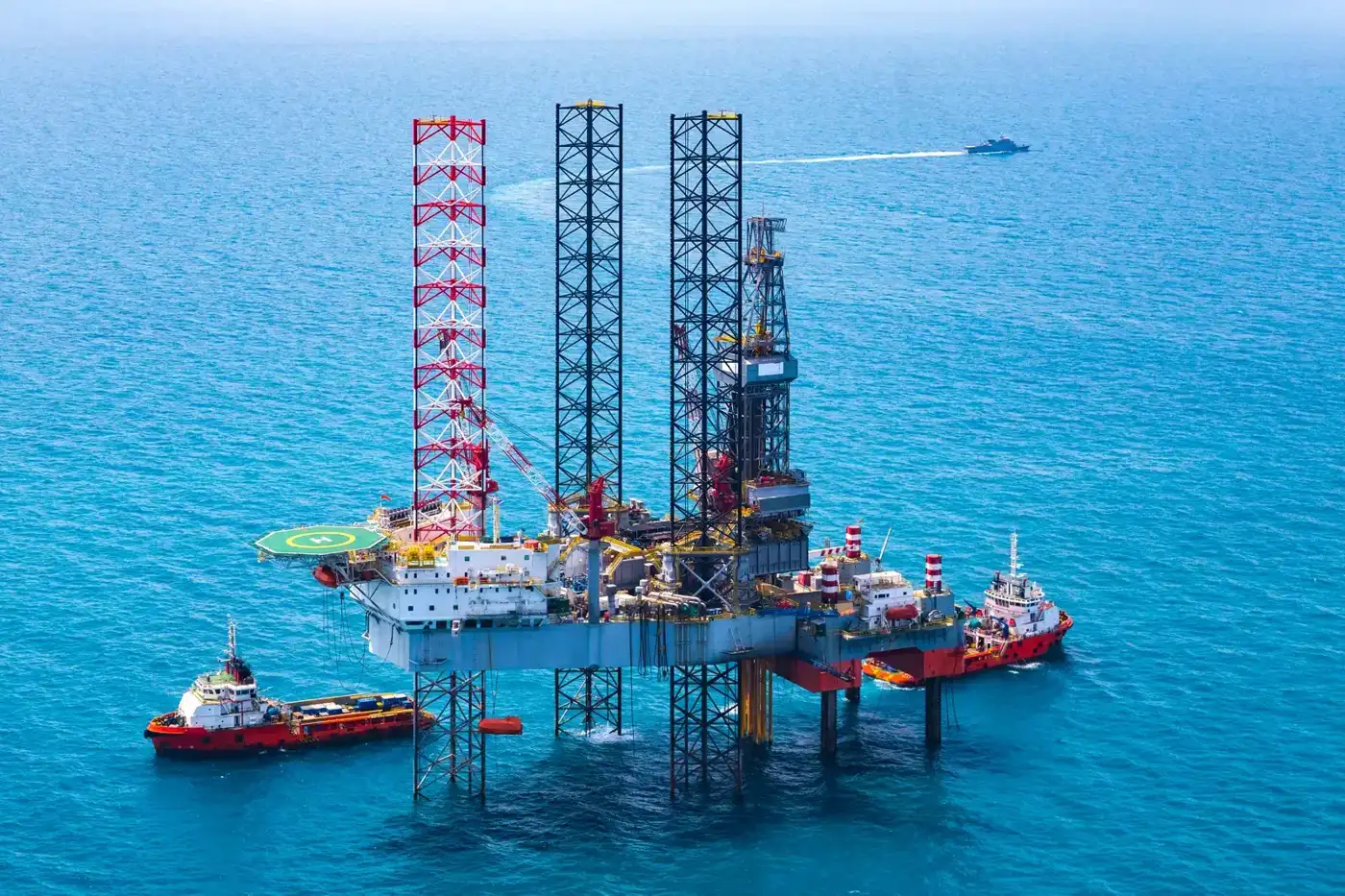
On UK ships, lifting equipment falls under the Merchant Shipping and Fishing Vessels (Lifting Operations and Lifting Equipment) Regulations 2006, explained in MCA guidance MGN 332. On offshore installations in UK waters, LOLER 1998 applies. Both need thorough examinations every 6 or 12 months and full records. LolerFlow holds the lifting register for every vessel in one place. Work equipment on board, including the cranes and davits themselves, also comes under PUWER offshore and the matching Merchant Shipping work equipment regulations on ships. LolerFlow records both.
Last updated October 2026 · Written by the LolerFlow Editorial Team · Facts checked against MCA, HSE and legislation.gov.uk
What are the lifting equipment rules for ships and offshore installations?
For UK ships, MGN 332 explains the 2006 Merchant Shipping lifting regulations. Lifting equipment for lifting people, and every lifting accessory, needs a thorough examination at least every 6 months. Other lifting equipment needs one at least every 12 months, unless an examination scheme sets different intervals. Ship's lifting equipment, other than accessories, must also be tested by a competent person at least every 5 years. For offshore installations in UK waters and designated areas of the UK Continental Shelf, LOLER 1998 applies, and HSE guidance HSG221 explains how. Operators working outside UK waters follow their flag state, class society and company rules.
| Equipment | Thorough examination |
|---|---|
| Lifting equipment for lifting people | 6 months |
| Lifting accessories (slings, shackles, wire ropes) | 6 months |
| Other lifting equipment (cranes, davits, hoists) | 12 months |
| Test of ship's lifting equipment (not accessories) | At least every 5 years |
These are the standard legal intervals. A written scheme of examination can set different ones, and LolerFlow follows whichever applies. PUWER (offshore) and the Merchant Shipping and Fishing Vessels (Provision and Use of Work Equipment) Regulations 2006 (ships) cover maintenance, inspection and training for the same cranes, davits and winches, plus deck machinery that does not lift.
- MCA MGN 332 (M+F) Amendment 3, gov.uk
- The Merchant Shipping and Fishing Vessels (Lifting Operations and Lifting Equipment) Regulations 2006 (SI 2006/2184), legislation.gov.uk
- HSE HSG221: Technical guidance on the safe use of lifting equipment offshore, hse.gov.uk
- MCA MGN 619 (F), gov.uk
What makes it hard
What changes across your fleet
How LolerFlow helps marine and offshore
A large organisation?
Our Enterprise plan adds a signed agreement, help moving your records across, and templates built to your company standard.
What equipment can you track?
Your standard, not ours
Build your examination templates to the standard you work to: LOLER, the Merchant Shipping lifting regulations, class society rules or your own written scheme of examination.
Frequently asked questions
Does LOLER apply on ships?
Not directly. UK ships follow the Merchant Shipping and Fishing Vessels (Lifting Operations and Lifting Equipment) Regulations 2006, which mirror LOLER. The MCA explains them in MGN 332. Fishing vessels have their own guidance in MGN 619.
Does LOLER apply to offshore oil and gas installations?
Yes, for installations in Great Britain's territorial waters and designated areas of the UK Continental Shelf. HSE guidance HSG221 explains how LOLER applies offshore.
How often must a ship's crane be load tested?
MGN 332 says ship's lifting equipment, other than accessories, must be tested by a competent person at least every 5 years, or more often if the manufacturer says so. This is on top of the 6 or 12 monthly thorough examinations.
Does LolerFlow work without signal at sea?
Yes. Inspectors can carry out examinations offline, with no mobile signal or Wi-Fi. The records sync automatically once the device is back online.
Can LolerFlow handle a vessel with 500 lifting items?
Yes. There is no limit on assets. Each vessel is a site, and you can bulk add items or import the full register from a spreadsheet.
Can we use our own company standard instead of LOLER?
Yes. You can build examination templates to your own written scheme, class society rules or flag state requirements.
Do you have a plan for large operators?
Yes. Our Enterprise plan is for large organisations with their own standards and procurement process. It adds a signed agreement, help moving existing records across, templates built to your company standard, custom features built to your requirements, integrations with your own software (for example your maintenance system) and a white label option.
Guides for this industry
See LolerFlow on your own equipment
A 20 minute walkthrough with the team who built it. Or start a free 30 day trial, no card needed.