Home / Industries / Vehicle fleets and tail lifts
Tail lift LOLER and PUWER inspections, tracked across every vehicle and depot
Ambulances, delivery vans and lorries all carry lifting equipment. LolerFlow keeps every examination in date, vehicle by vehicle, wherever the vehicle is based.
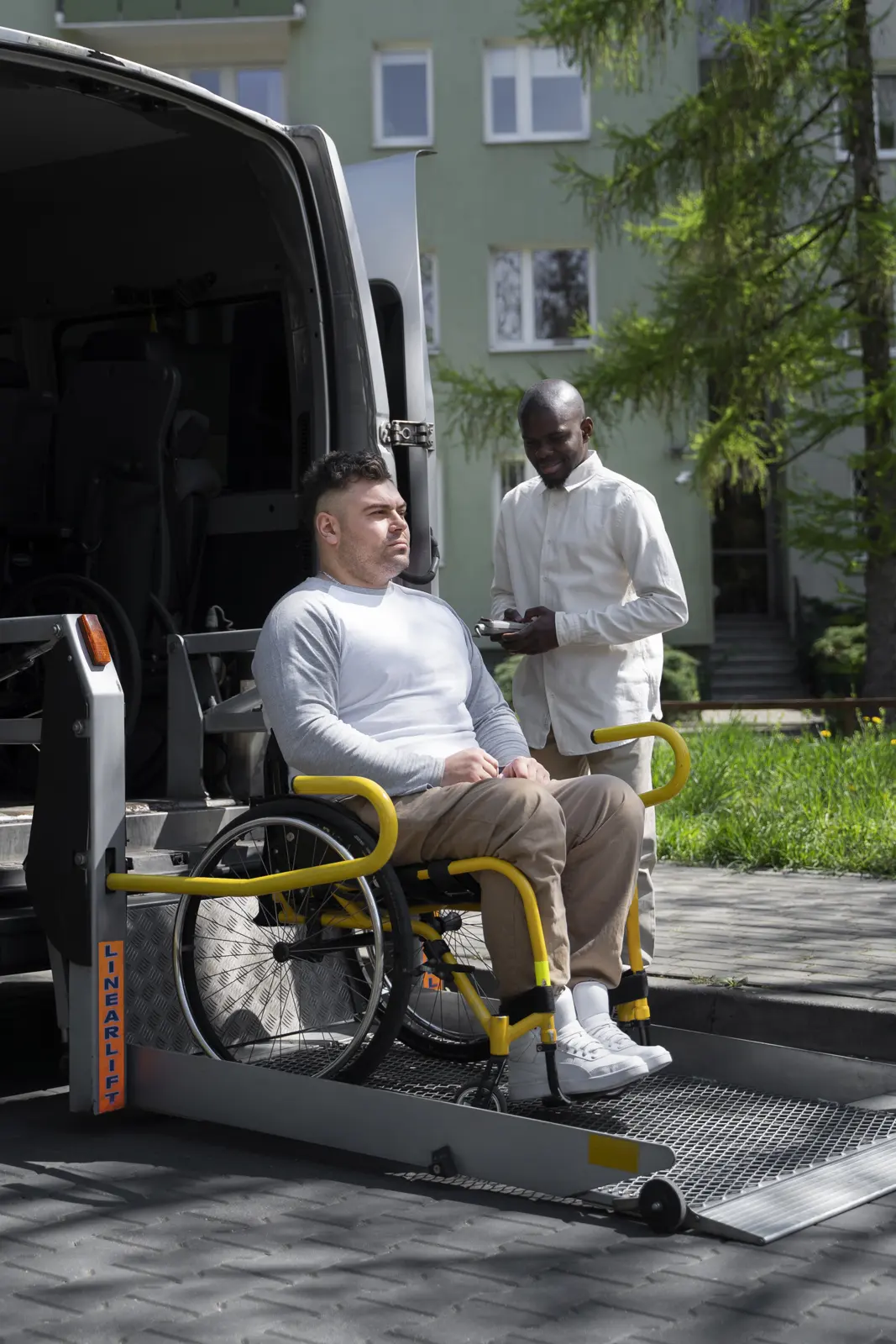
A tail lift is lifting equipment under LOLER. If it only lifts goods, it needs a thorough examination at least every 12 months. If it lifts people, like an ambulance or wheelchair accessible vehicle lift, it needs one at least every 6 months. LolerFlow tracks every tail lift, lorry loader and workshop lift across your fleet. Every tail lift and vehicle lift is also work equipment under PUWER, which covers its maintenance, daily checks and operator training, and LolerFlow records both.
Last updated October 2026 · Written by the LolerFlow Editorial Team · Facts checked against HSE and legislation.gov.uk
How often does a tail lift need a LOLER inspection?
LOLER sets the interval by what the equipment lifts. HSE guidance says equipment used to lift people must be thoroughly examined every 6 months, whether or not it was designed for people. So an ambulance or passenger lift is on a 6 month cycle, and a goods-only tail lift is on a 12 month cycle. Lorry loader cranes and workshop vehicle lifts are 12 months, and the chains and slings used with them are 6 months.
| Equipment | Thorough examination |
|---|---|
| Tail lift used to lift people | 6 months |
| Tail lift, goods only | 12 months |
| Lorry loader crane | 12 months |
| Workshop vehicle lift | 12 months |
| Lifting accessories | 6 months |
These are the standard legal intervals. A written scheme of examination can set different ones, and LolerFlow follows whichever applies.
- HSE: Lifting equipment used for lifting people at work, hse.gov.uk
- LOLER 1998, Regulation 9(3), legislation.gov.uk
- Renault Retail Group UK, Hendon Magistrates' Court, March 2019
What makes it hard
What changes for your fleet managers
How LolerFlow helps vehicle fleets and tail lifts
A large organisation?
Our Enterprise plan adds a signed agreement, help moving your records across, and templates built to your company standard.
What equipment can you track?
Why it matters
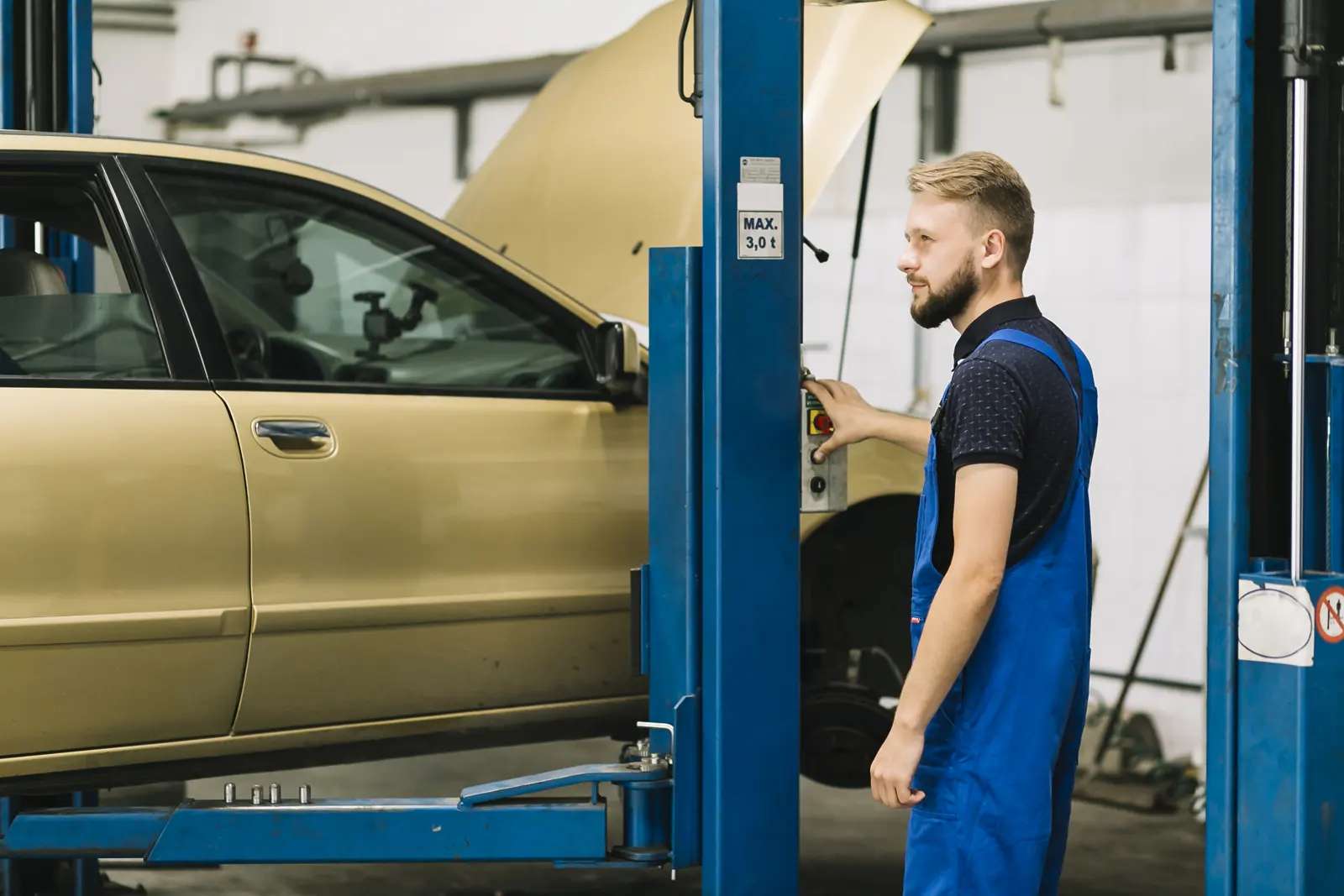
In 2019 Renault Retail Group UK was fined £200,000 plus costs after technicians used defective vehicle lifts at two of its sites. It was prosecuted under PUWER and LOLER.
Frequently asked questions
Does a tail lift come under LOLER?
Yes. A tail lift is lifting equipment, so LOLER applies. It needs a thorough examination by a competent person and a written report. PUWER applies as well, for maintenance, pre-use checks and training. The HSE expects both.
How often does a tail lift need a thorough examination?
At least every 12 months if it lifts goods only, and at least every 6 months if it lifts people. A written scheme of examination can set different intervals.
Is a tail lift inspection part of the MOT?
No. The MOT does not cover LOLER. The thorough examination is a separate legal duty for the employer.
Do workshop vehicle lifts need LOLER inspections?
Yes. Vehicle lifts in garages are lifting equipment and need a thorough examination at least every 12 months.
Can we track equipment by vehicle?
Yes. Record each vehicle and the lifting equipment fitted to it, with depots set up as sites.
Guides for this industry
See LolerFlow on your own equipment
A 20 minute walkthrough with the team who built it. Or start a free 30 day trial, no card needed.